Essays · the deep dives
Twenty-nine reels through one long argument
Longer pieces for when a card isn’t enough — each one a scene: an image from the free archives, a title, and a line of narration. Every essay is tagged and cited, quotes only public-domain primary sources, and links out for the rest. Press one to read it in full.
Deep time
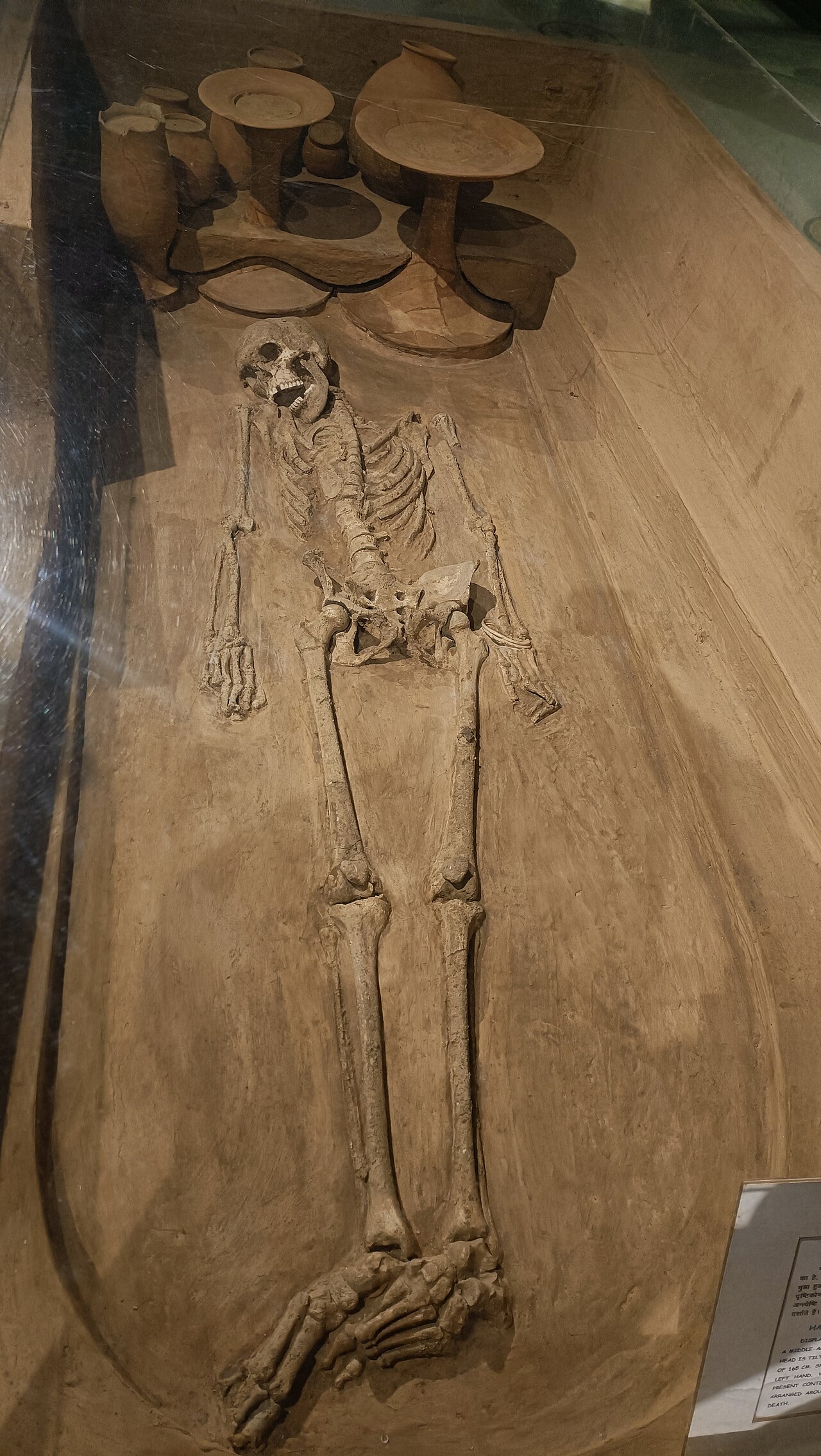
Foundations
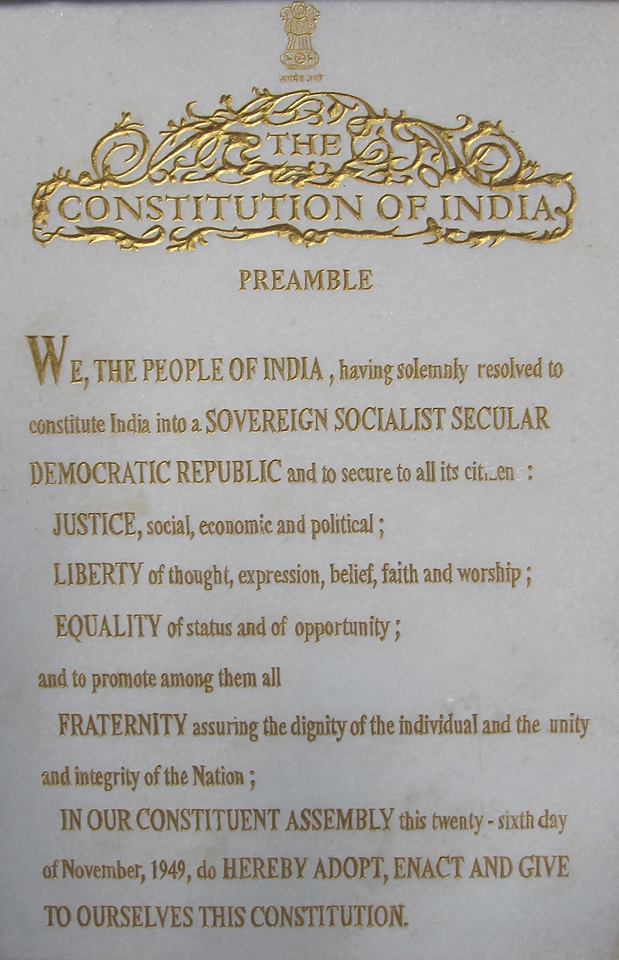
The Preamble, line by line
The Constitution's opening sentence is its thesis statement — where sovereignty sits, what it promises, and the two words a later Parliament added. Read slowly, it answers most of the myths on its own.
[Documented]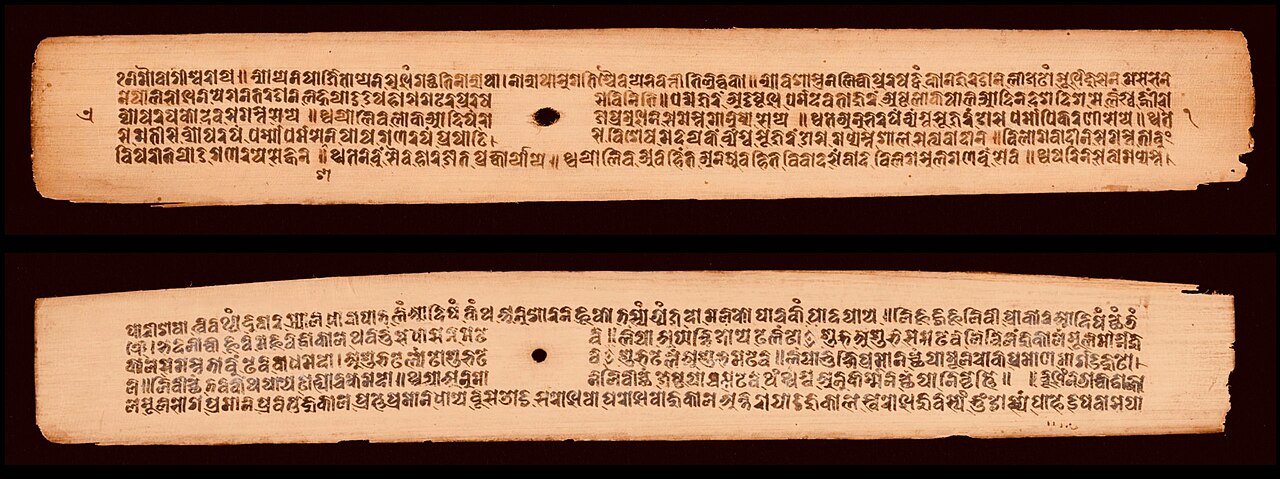
Who were the Shudras?
The question has two traps in it. The first is that 'Shudra' and 'untouchable' are not the same thing — they are two different categories, and Ambedkar wrote two different books to keep them apart. The second is that the origin of the Shudra is genuinely debated. Here is what the oldest verse says, what the law made of them, and where the honest uncertainty lies.
[Documented]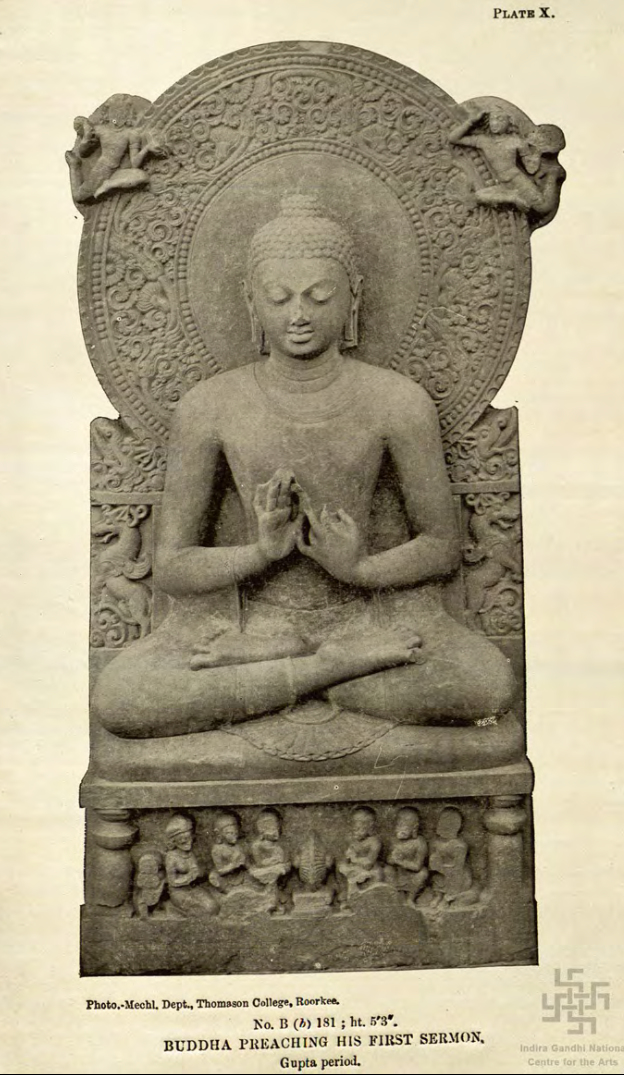
The śramaṇa revolt: when antiquity itself said no to caste
Long before Ambedkar, ancient India produced its own rebellion against birth-rank. Around 500 BCE the śramaṇa movements — Buddhism, Jainism, the Ajivikas — rejected the Vedas, the sacrifice, and the Brahmin monopoly, and taught that worth comes from conduct, not birth. It did not abolish caste. But it is why Ambedkar, in 1956, walked back into that tradition rather than out of India.
[Documented]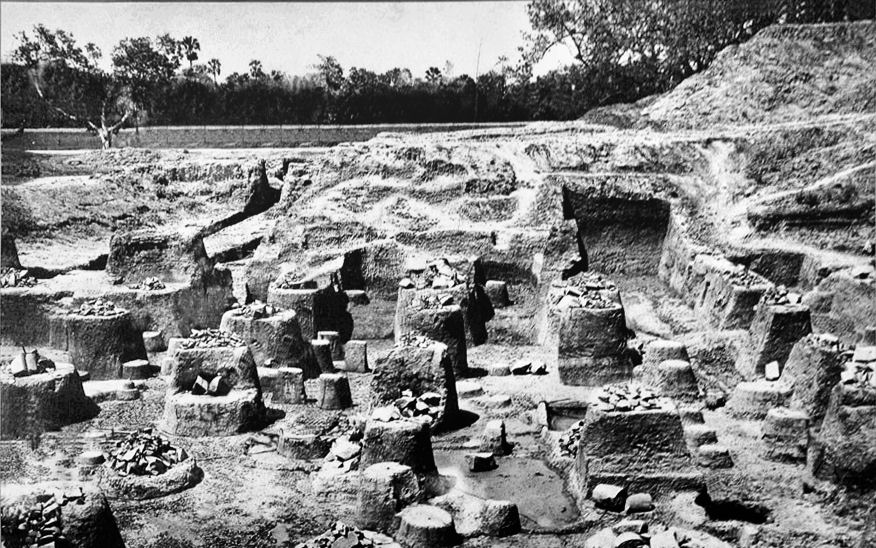
The first foreign witness: Megasthenes on caste, c. 300 BCE
Twelve centuries before Al-Biruni, a Greek ambassador to the Mauryan court described Indian society as a set of hereditary, non-intermarrying, occupation-locked groups. It is the oldest outside account of caste — and it comes with its own warning about outside accounts, because he got the number wrong and imagined away slavery. Both the confirmation and the distortion are instructive.
[Documented]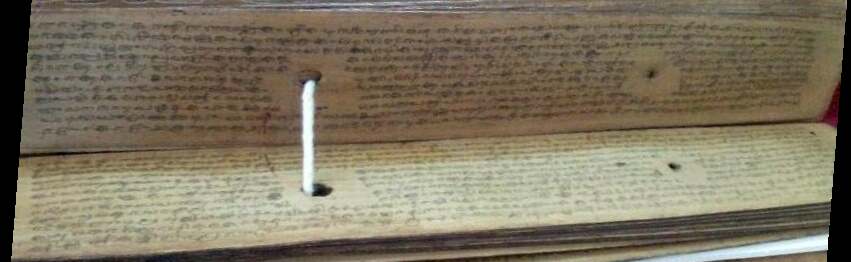
The Arthaśāstra: when caste was statecraft
Kautilya's Arthaśāstra is rightly cited as proof of a sophisticated ancient Indian state — economics, administration, statecraft centuries before Machiavelli. Fair enough. So ask the harder question: what did that sophisticated state do about caste? It administered it — down to the food rations. Caste was never only religion; the state ran it too.
[Documented]Caste, up close
How caste got its names
Manusmṛti prescribes names by rank — auspicious for a Brahmin, "contemptible" for a Shudra. The rule is documented and quotable. The popular leap from it — "your surname proves your caste, and Gupta means Brahmin" — is not. Here is exactly where the line falls.
[Documented]Varna is not jati — and why that matters
Almost every confused argument about caste comes from mixing up two different things: varna, the four-fold theory, and jati, the thousands of birth-groups people actually live in. Keep them apart and the whole picture — including why a 'low' varna can be a dominant caste — snaps into focus.
[Documented]
Does caste survive conversion?
'Just leave Hinduism and you escape caste' is one of the oldest suggested exits — and the record says it rarely worked. Caste followed converts into Christianity, Islam and Sikhism. The Constitution itself quietly admits this, in a way that costs Dalit converts their reservation to this day.
[Documented]
Harijan or Dalit? The politics of a name
The old code prescribed the Shudra a name that was 'contemptible.' Nine centuries later the argument came full circle — this time over who gets to name the ex-untouchables. Untouchable, Depressed Class, Scheduled Caste, Harijan, Dalit: each is a different theory of the same people, and the community chose its own.
[Documented]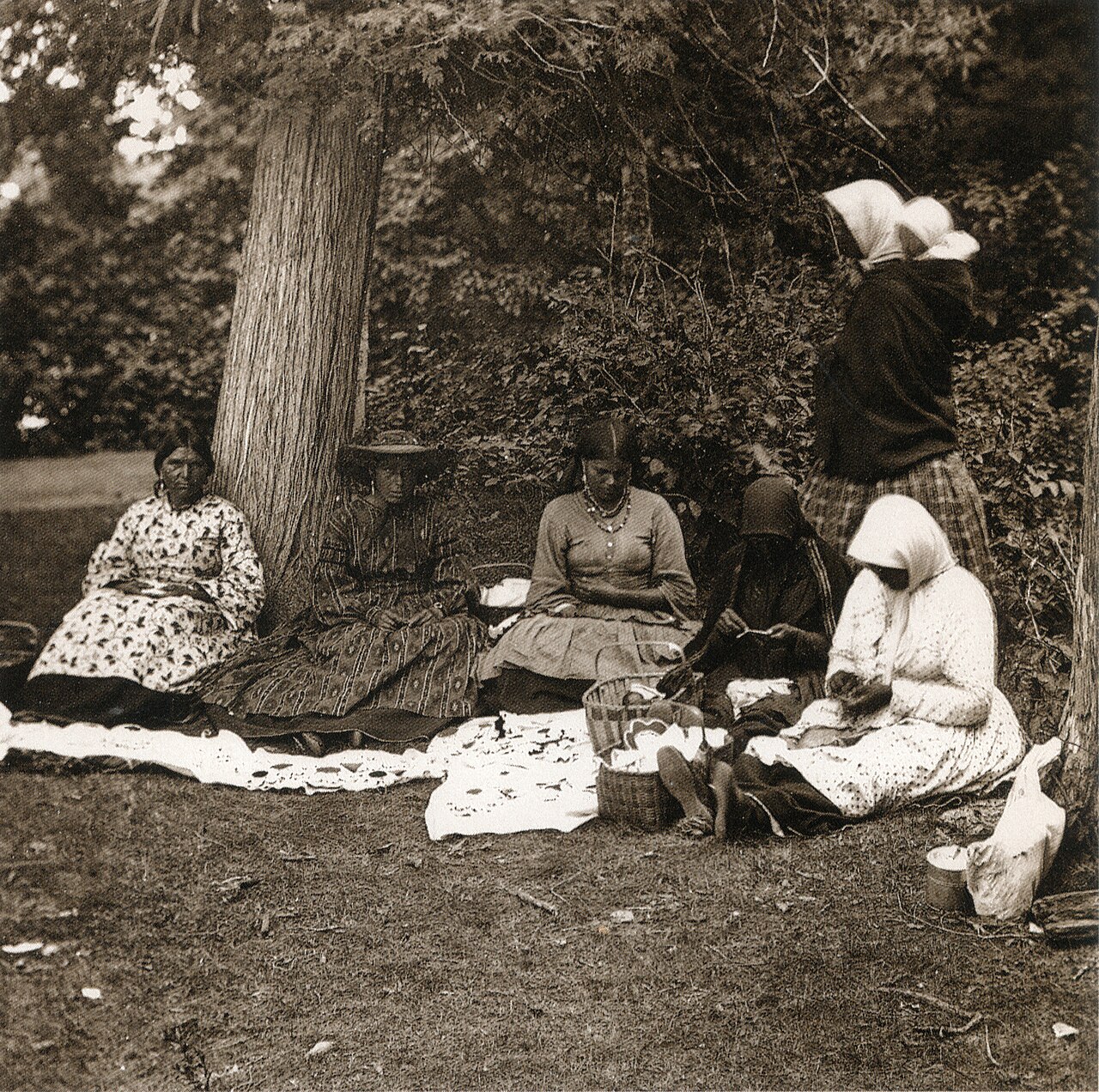
Caste and gender: why they are one system, not two
Caste is reproduced through the female body. Endogamy — marrying strictly within the group — is what keeps caste intact, and endogamy can only be enforced by controlling women. Ambedkar saw this in 1916; feminist historians named it 'Brahmanical patriarchy.' And its cruellest feature is that it is graded: it confined upper-caste women and exposed Dalit women, which is why one feminism could not speak for all.
[Documented]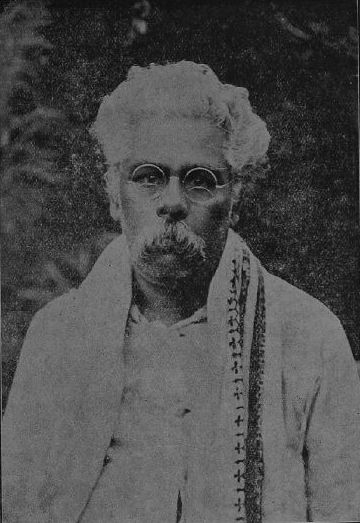
Periyar and the other road out of caste
Ambedkar is this site's hinge, but he was not the only one taking an axe to the old code. In the South, Periyar built a different road entirely — rationalist, anti-Brahmin, and electoral — that ended Brahmin political dominance in Tamil Nadu decades before the North moved. Two giants, two strategies, and one revealing disagreement that ties straight back to the genetics page.
[Documented]Episodes
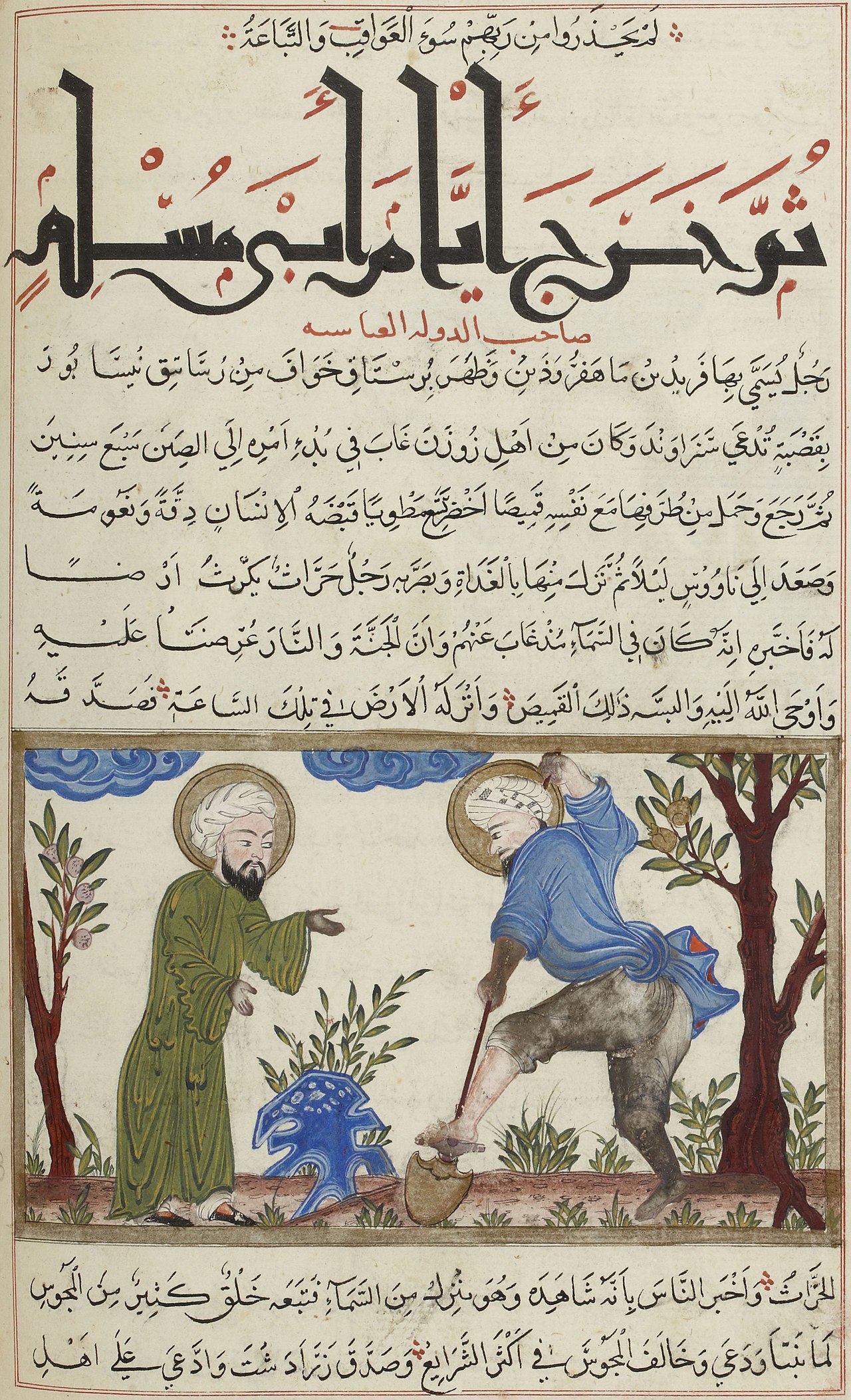
Caste before the British: Al-Biruni, c. 1030 CE
One of the commonest claims in circulation is that the British invented caste. The simplest test is to read someone who described India long before them. Al-Biruni did — around 1030 CE — and his account of the four varnas, the service groups below them, and the untouchables 'not reckoned amongst any caste' is preserved word for word. Here it is.
[Documented]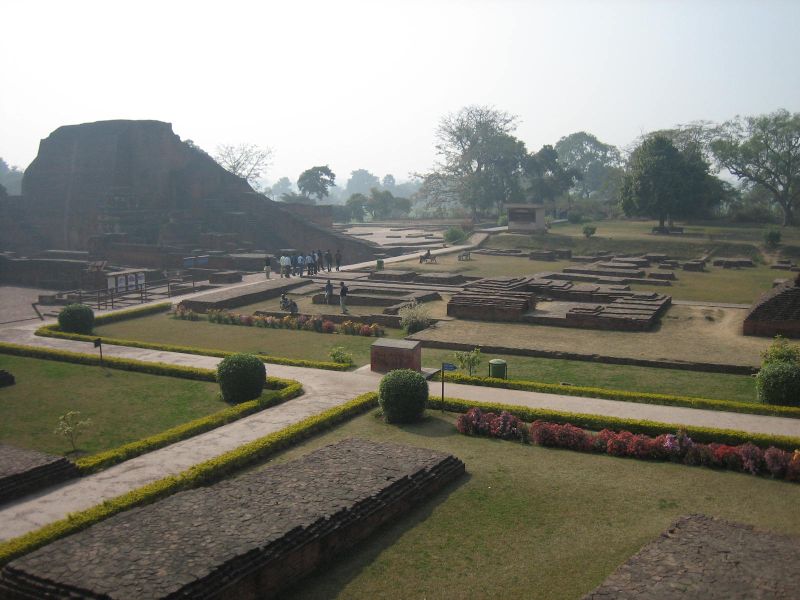
The sack of Nalanda: what the source actually says
Nine million books, burning for months — the story of Nalanda's destruction is told with cinematic numbers. So read the near-contemporary source itself. It records something real and terrible, and none of the numbers. This is the site's method turned on a claim its own audience tends to like.
[Debated]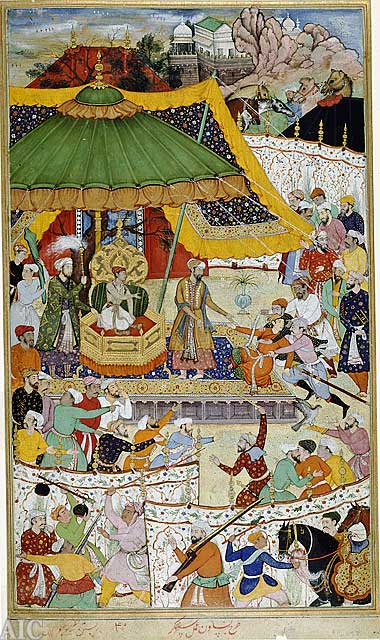
Caste under the Mughals: the Ā'īn-i-Akbarī's order of ranks
Did Muslim rule abolish caste, or create it? Neither. Abul Fazl's survey of Akbar's empire shows the answer: caste persisted underneath, while the imperial state added its own theory of graded ranks on top — one that, tellingly, put warriors above priests. Two hierarchies, coexisting, both upheld by the ruler.
[Documented]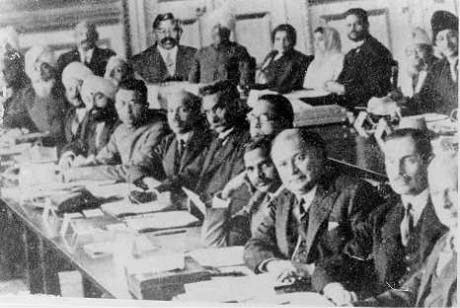
The Round Table Conferences: two collisions in London
Between 1930 and 1932, India's constitutional future was argued out in three London conferences — and two collisions defined them. Gandhi and Ambedkar clashed over how to protect the untouchables (a fight between allies over means). Gandhi and Churchill clashed over whether Indians should govern at all (a fight between adversaries). Both are documented, and both are more precise than the caricatures.
[Documented]The Poona Pact, 1932
A fast unto death, a jail cell, and a deal that decided how India's most oppressed would be represented for the next century. Gandhi and Ambedkar wanted the same end — the uplift of the Depressed Classes — and nearly broke over the means. This is what actually happened, and why reserved seats today descend from it.
[Documented]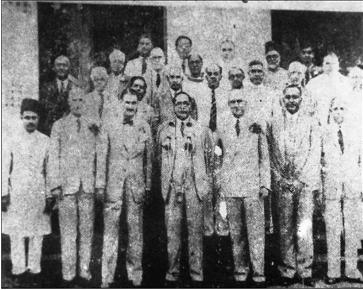
“Simon go back”: the Commission with no Indians
In 1928 Britain sent a seven-man commission to decide India's constitutional future — and put not a single Indian on it. The country answered with black flags and a slogan that outlived the commission. But the story has a twist that fits this site exactly — the man history now honours for the Constitution testified before the very body everyone else boycotted.
[Documented]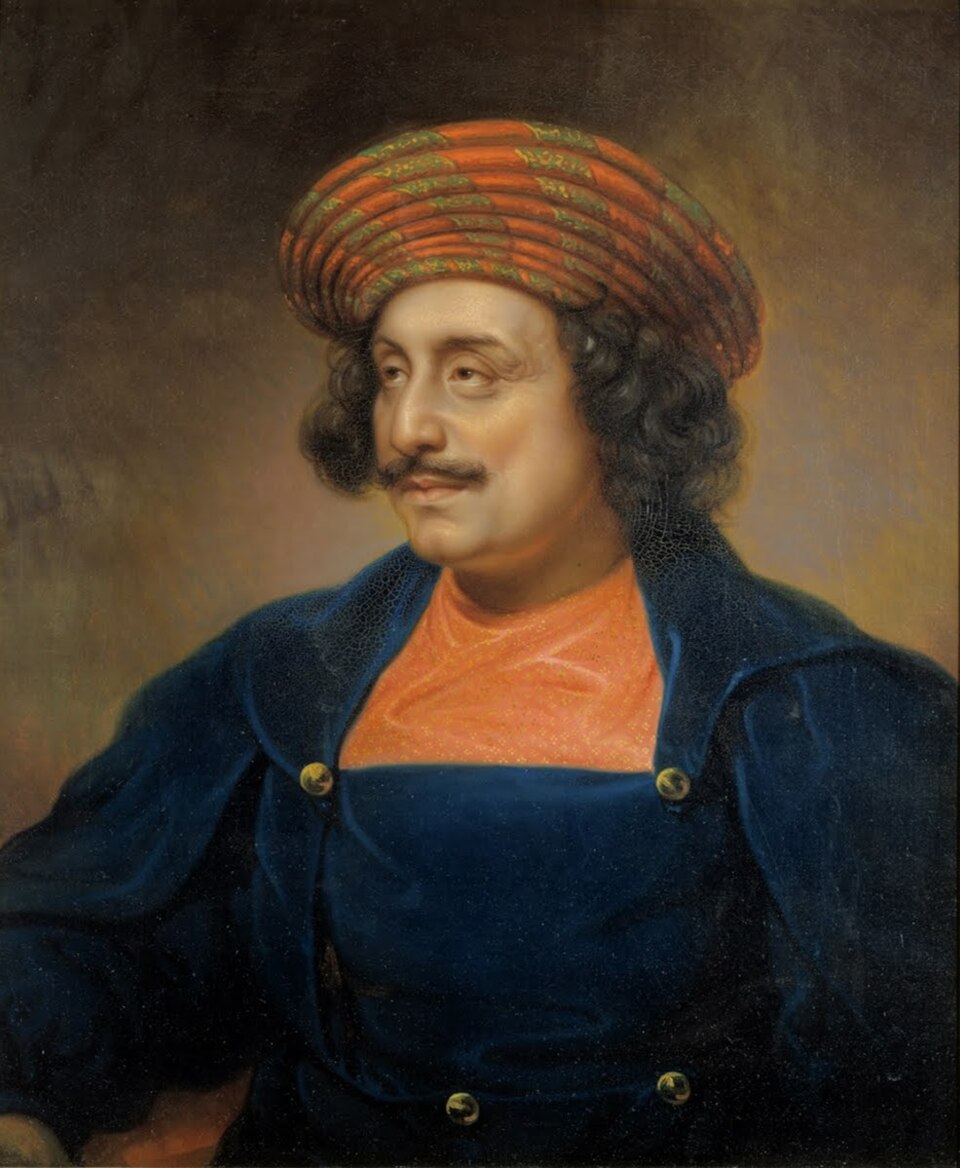
The abolition of Sati, 1829
The burning of widows was outlawed in Bengal in 1829 — and the story is neither the pure colonial rescue of one telling nor the colonial fabrication of another. Indian reformers fought it, orthodox Indians defended it, and the British legislated it. Held honestly, it is a model of how reform actually happens.
[Documented]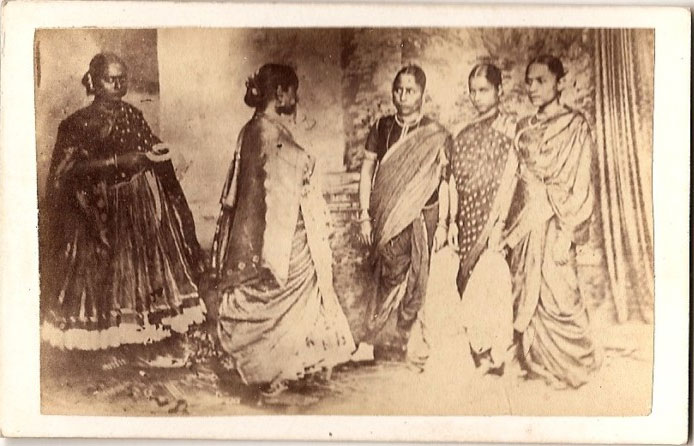
The cloth on her back: the Channar revolt
In 19th-century Travancore, lower-caste women were forbidden to cover their breasts — baring the chest to higher castes was enforced as 'respect.' The decades-long fight to simply wear an upper cloth is one of the starkest cases of caste written on the body. The documented core is damning enough; the viral 'breast-tax-by-size' embellishments it does not need.
[Documented]The colonial record
How the census hardened caste
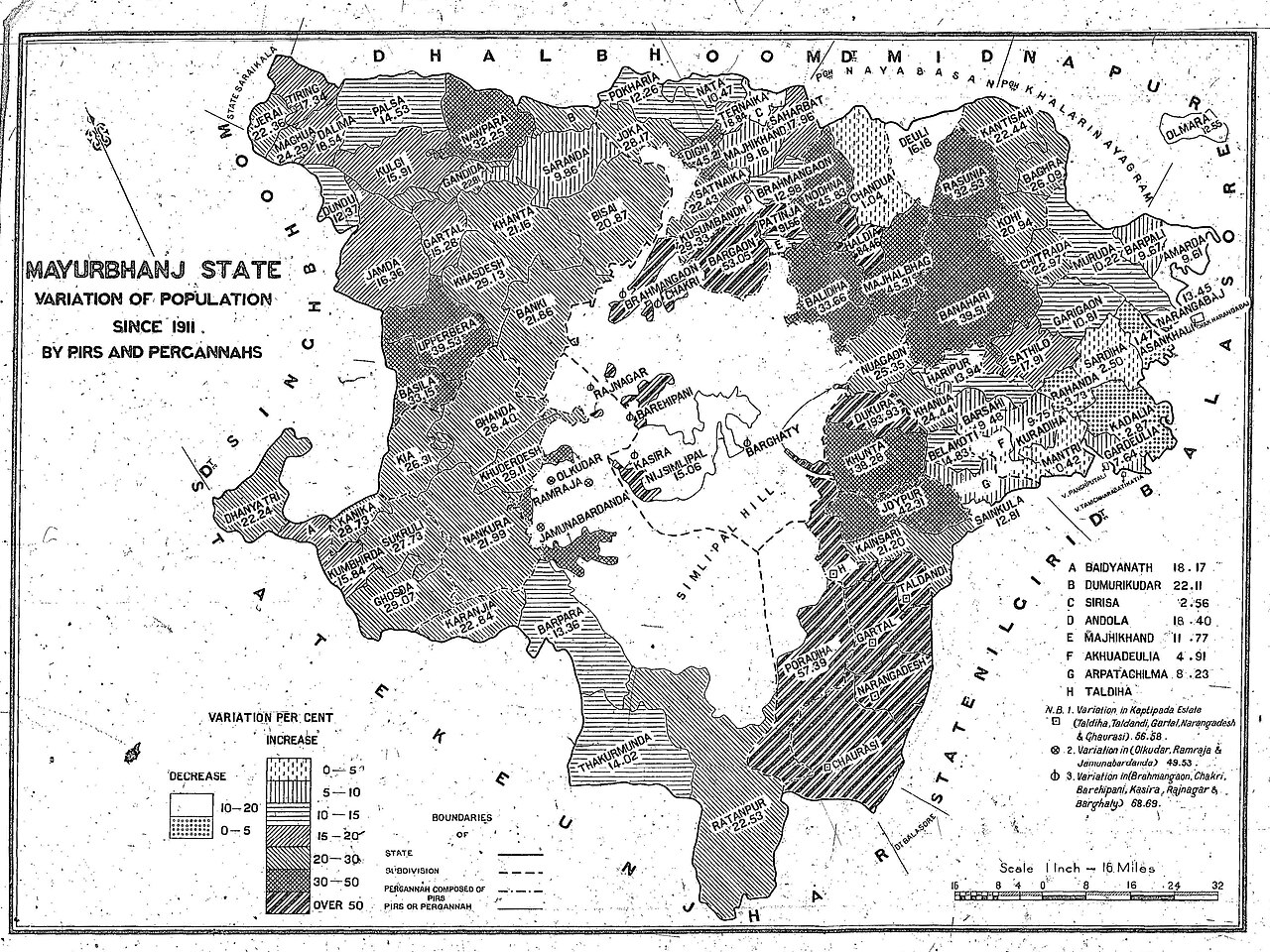
The companion to the Alberuni essay. That one showed caste is ancient — so this one asks the fair follow-up: then what did the British actually change? A great deal. They did not invent caste, but they counted it, ranked it, froze it into all-India lists, and made it the master key to every Indian. That inheritance is still in the reservation rolls.
[Debated]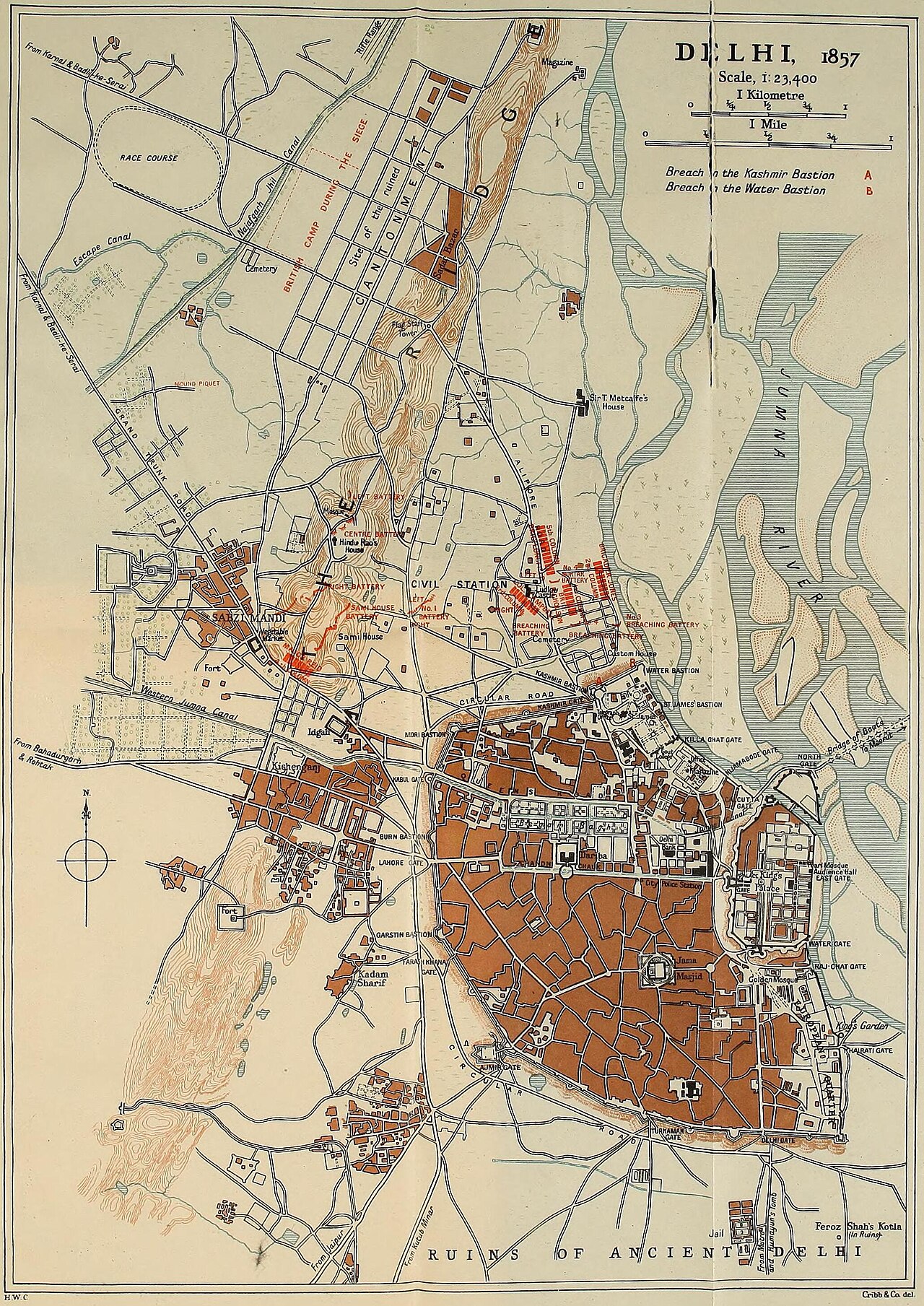
1857: was it the First War of Independence?
The name you give 1857 is a political act. The British called it a Sepoy Mutiny; Savarkar called it the First War of Independence; the government's own official historian was removed from the centenary project for refusing to call it that. Same events, three labels — a case study in how national history gets written.
[Debated]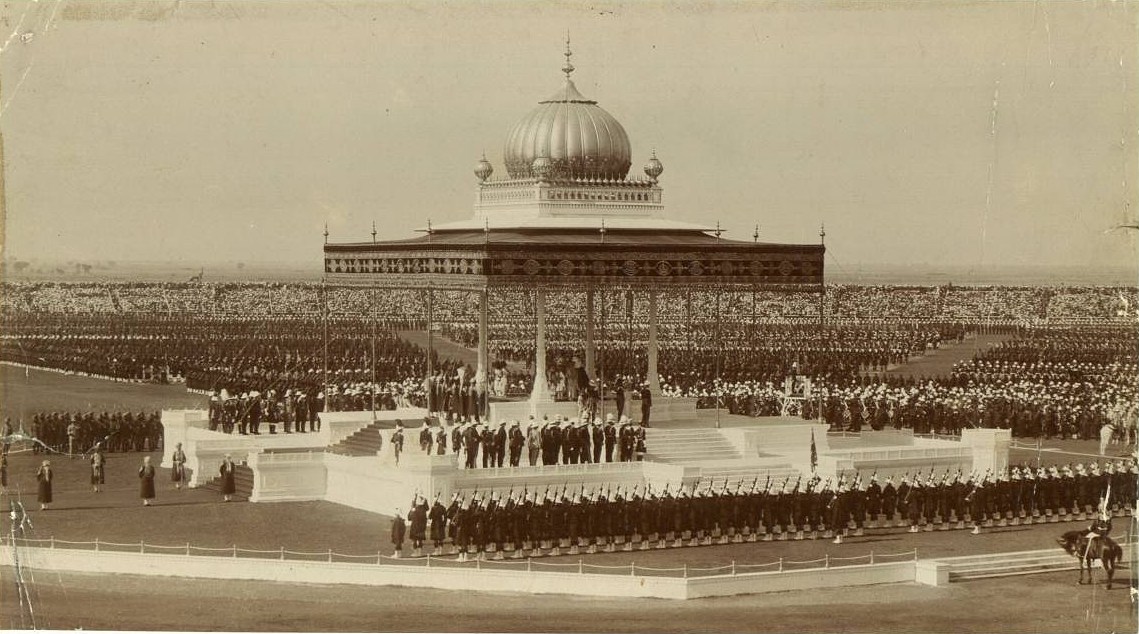
The real record of British rule: looting, conversion, or education?
Three stories compete: the British looted India, the British converted India, the British educated India. Each has a kernel of truth and a wildly inflated popular version. Held to the same evidence standard, none is a single arrow — and the deepest legacy for this site is one almost nobody names.
[Debated]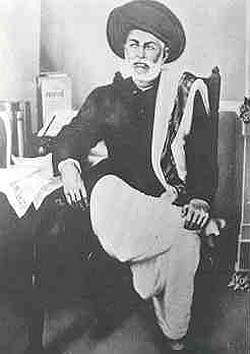
Who schooled the excluded? The fight over the classroom
The old code barred the Shudra and the untouchable from learning. So who first put them in a classroom — and who fought to keep them out of it? The answer implicates missionaries, a colonial charter, Indian reformers, and a nationalist backlash that opposed both women's education and raising the age of consent. It is not a tidy story, which is why it's worth telling straight.
[Documented]The new code
The Hindu Code Bill: where the old code actually fell
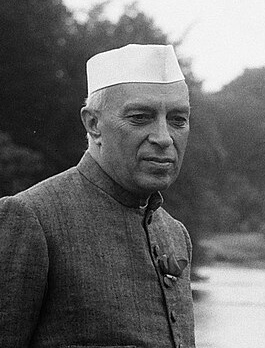
If this site has a single decisive episode, it is this one. Personal law — marriage, divorce, inheritance — was the Dharmaśāstra's home ground, run as 'Hindu law' in the courts. The Hindu Code Bill is where statute replaced it. It cost Ambedkar his ministry, it was fought from inside Hindu society, and it is still unfinished.
[Documented]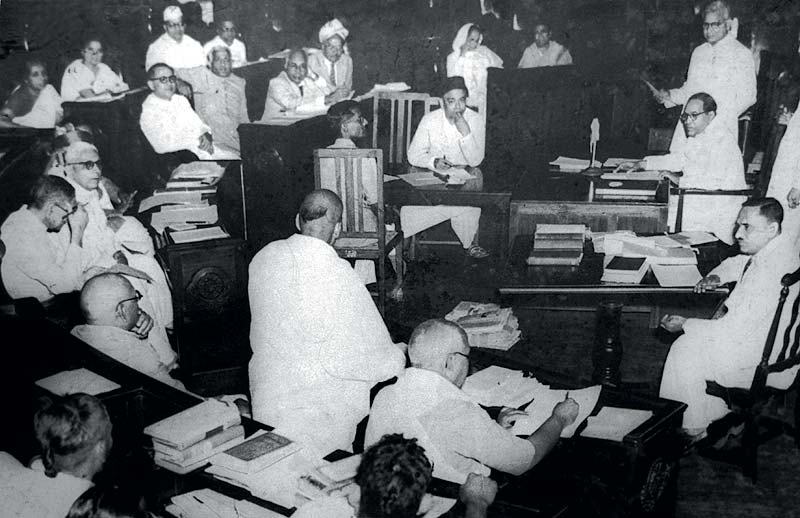
How reservation actually works
Reservation is argued about more than it is understood. It is not one policy but several, resting on different articles, with different rules and different time limits — and genuine, unsettled debates inside it. Here is the actual machinery, and where the honest disagreements lie.
[Documented]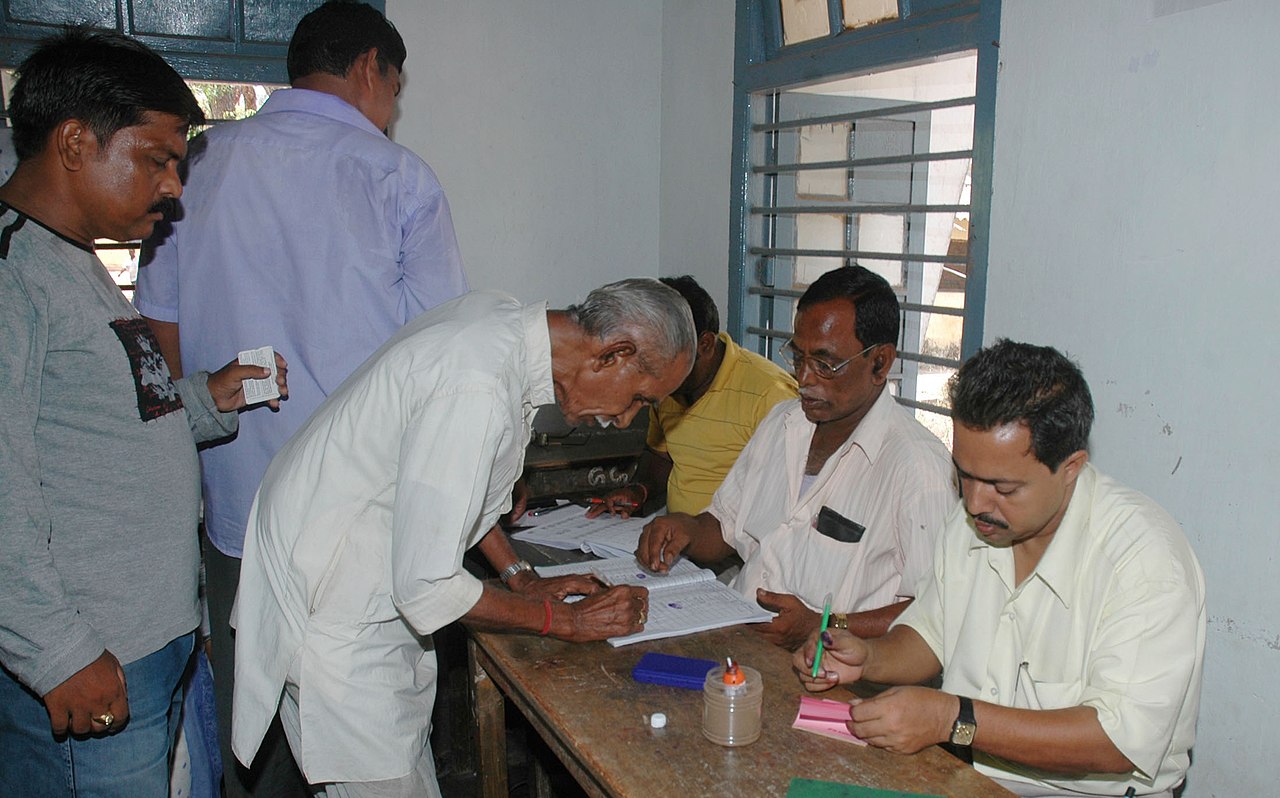
The silent revolution: how the vote redistributed caste power
The old code reserved governance for the top varnas by birth. The new code handed it to whoever wins the vote — and over seventy years the vote did the unthinkable: it put the lowest castes in power. A Dalit woman governing India's largest state is the two codes' contrast made flesh. It is also uneven, incomplete, and worth telling honestly.
[Documented]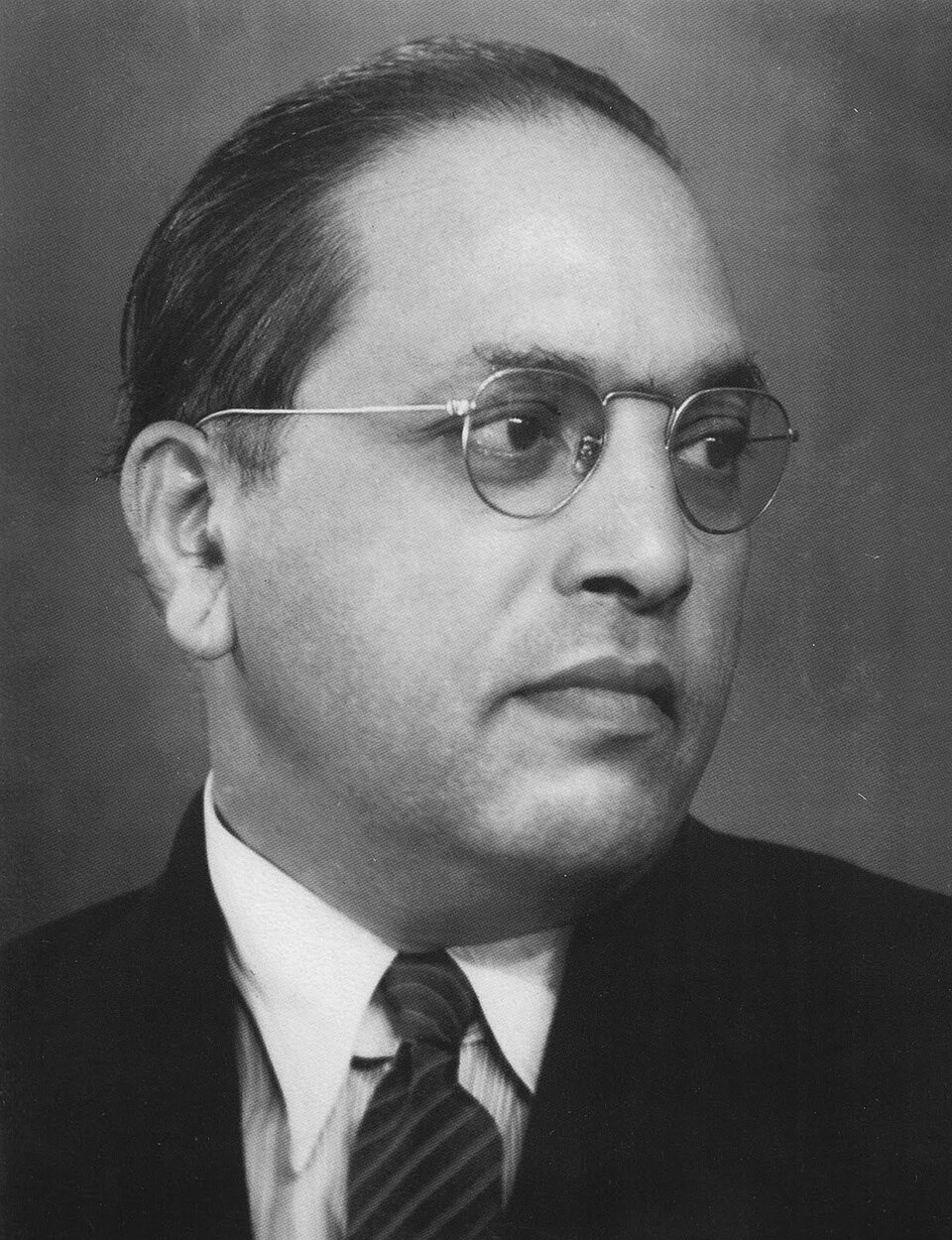
One code against every theocracy: Ambedkar's two-front war
The two-codes story is bigger than Manu. In the 1940s two rival visions of a religiously-defined nation were on offer — a Hindu Rashtra and an Islamic Pakistan — and Ambedkar rejected them both. The man who spent his life fighting Brahminism refused to swap one religious tyranny for another. The secular Constitution was his answer to all of them.
[Documented]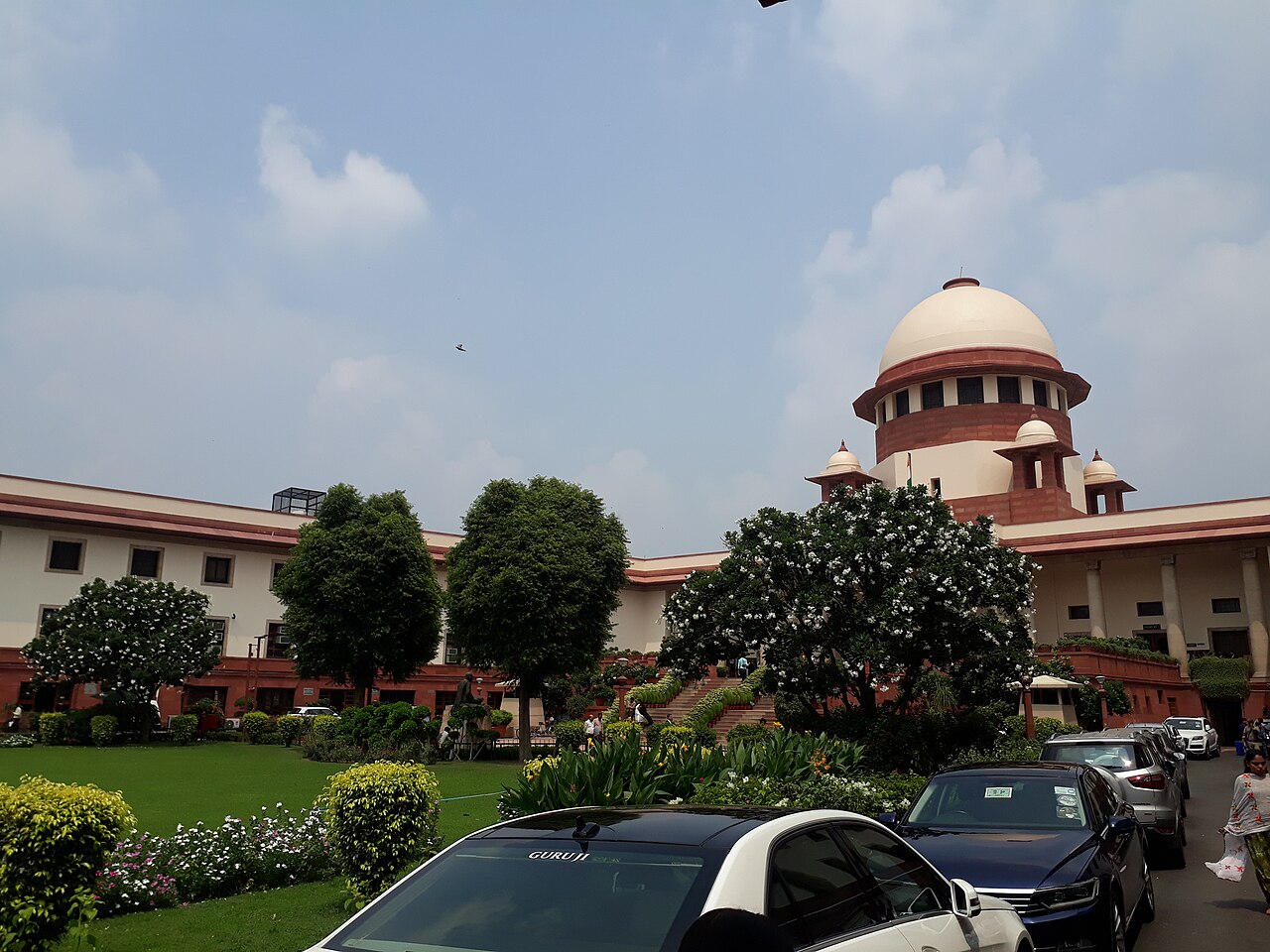
The basic structure: what cannot be amended away
Can the Constitution be 'de-constitutionalised' — amended until it's gone? The honest answer is a doctrine most people have never heard of. Parliament can change almost anything, but since 1973 the Supreme Court has held it cannot destroy the Constitution's basic structure. This is the guardrail — and, fairly, it is itself debated.
[Documented]