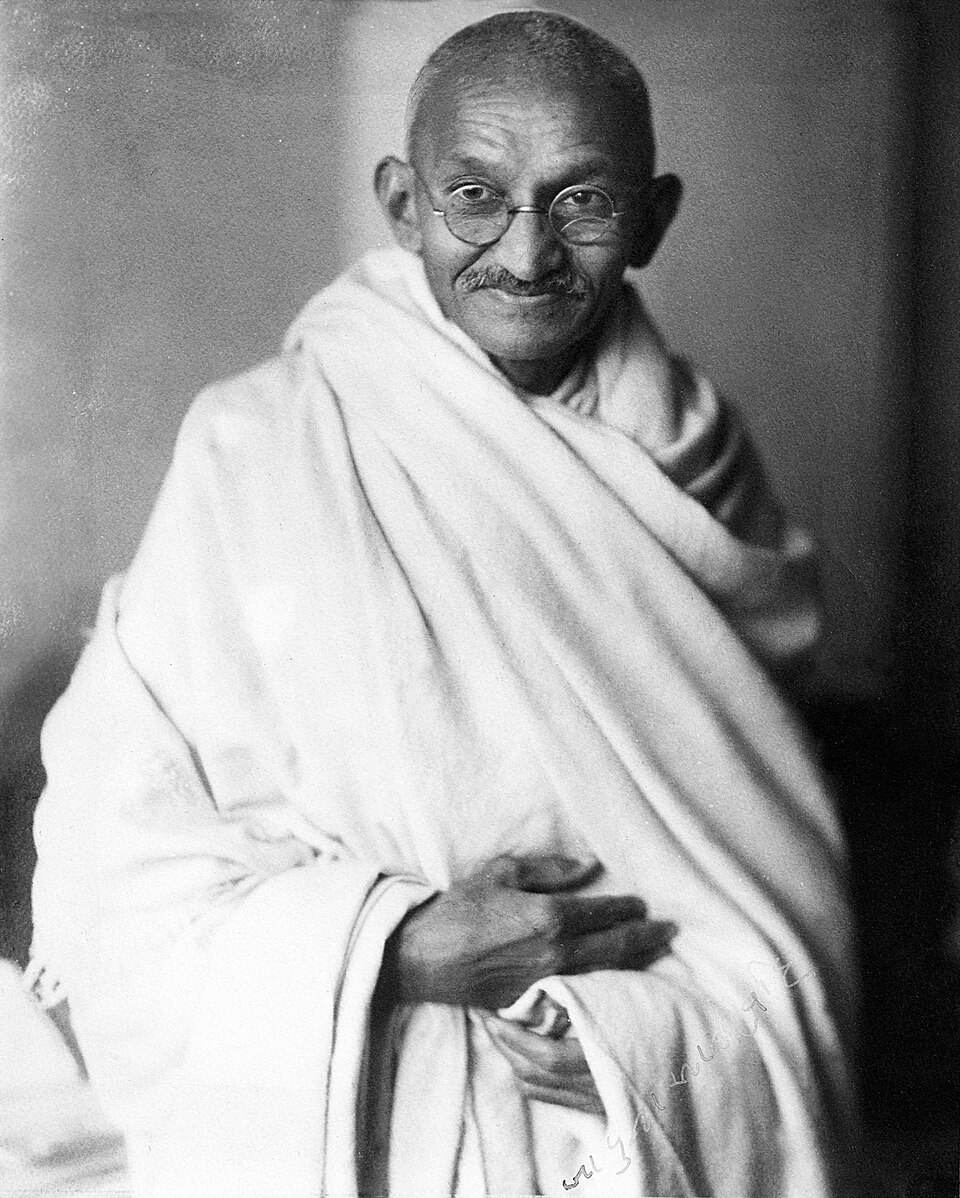
The Poona Pact is where two men who wanted the same thing — dignity and power for India’s untouchables — collided over how to get it, and where a compromise signed under a dying man’s pressure set the template for political representation that India still uses.
The demand: a vote of their own
Since 1909, Indian Muslims had separate electorates — seats where only Muslims voted, for Muslim candidates. At the Round Table Conferences (1930–32), Ambedkar argued the Depressed Classes needed the same: without a bloc the caste-Hindu majority could not dilute, he believed, they would never get genuine representation, only candidates chosen for them by the very society that excluded them.
[Documented] On 16 August 1932, the British Prime Minister Ramsay MacDonald issued the Communal Award, which granted the Depressed Classes separate electorates — a major victory for Ambedkar’s position.
The fast
Gandhi, imprisoned in Yerwada Central Jail, opposed it fiercely — not the uplift, but the mechanism. He believed separate electorates would wall the untouchables off from Hindu society permanently, converting a reform movement into a permanent political partition of Hinduism itself.
[Documented] On 20 September 1932, Gandhi began a fast unto death against separate electorates for the Depressed Classes. The pressure on Ambedkar was immense and public: if Gandhi died, the blame — and the backlash against untouchables — would be catastrophic.
The deal
Negotiations ran through the week. On 24 September 1932, Ambedkar signed the Poona Pact at Yerwada. Its terms:
- Separate electorates for the Depressed Classes were dropped.
- In their place, reserved seats within the general (joint) electorate — Depressed Class candidates, but elected by all voters in the constituency.
- The number of reserved seats was increased as compensation — 148 in the provincial legislatures, well above the 71 the Communal Award had offered.
[Documented] Gandhi ended his fast. On paper, the untouchables got more seats.
Why Ambedkar counted it a loss
He signed to save a life, and said so. But he regarded the terms as extracted under duress, and the loss as real: a reserved seat filled by the general electorate meant, he argued, that Depressed Class representatives would owe their seats to caste-Hindu votes — and so could be safe, moderate figures acceptable to the majority, rather than the movement’s own choice. The independent political lever of a separate electorate was gone.
[Documented] He set this out at length in 1945 in What Congress and Gandhi Have Done to the Untouchables — his stated view, quoted from his own words, not a poster.
Why it still matters
This is not a settled morality tale, and we won’t hand you a verdict. Gandhi’s supporters see a Hindu society held together and a genuine increase in seats; Ambedkar’s see a movement denied the one instrument that would have made its representatives answerable only to their own people. Both readings sit on the same documented facts.
What is not in dispute is the legacy: the model chosen at Poona — reserved seats inside a joint electorate, not separate electorates — is the model the Constitution adopted. The reserved seats for Scheduled Castes and Scheduled Tribes in the Lok Sabha and the State Assemblies (Articles 330 and 332) are the direct descendants of the Poona Pact. The compromise of 1932 became the constitutional rule of 1950.