Indus Valley
The ‘Priest-King’
Mohenjo-daro · c. 2000 BCE
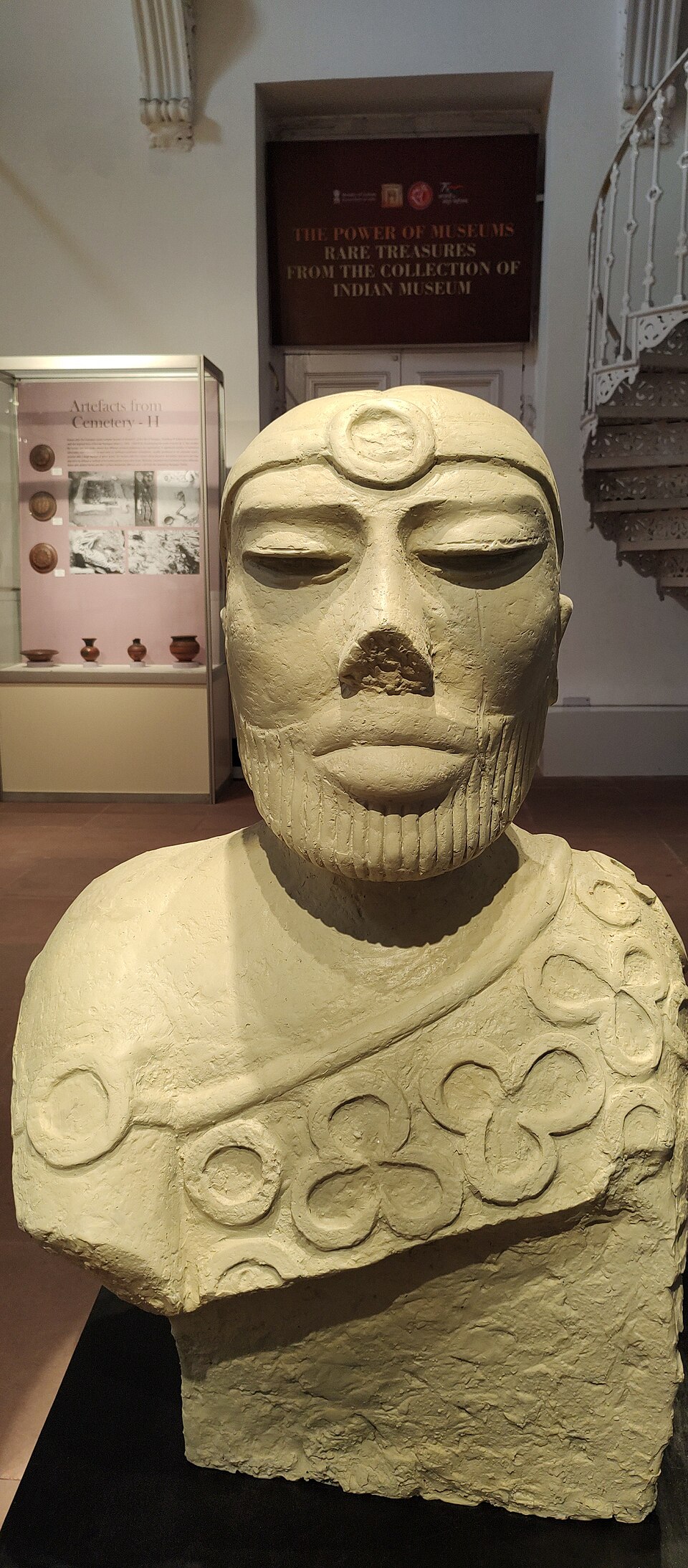
The Indus script is undeciphered, so its social order is genuinely unknown — claims that it was ‘Vedic’ or that it was ‘casteless’ are both unproven.
Deep time
Beneath the texts sit physical things: a bust, a seal, a bath, a clay tablet, a burial. Turn through the evidence, then read each one held carefully below — mono for the technical terms, plenty of space, and no drama.
Indus Valley
Mohenjo-daro · c. 2000 BCE
The Indus script is undeciphered, so its social order is genuinely unknown — claims that it was ‘Vedic’ or that it was ‘casteless’ are both unproven.
Indus Valley
Harappan · c. 2500 BCE
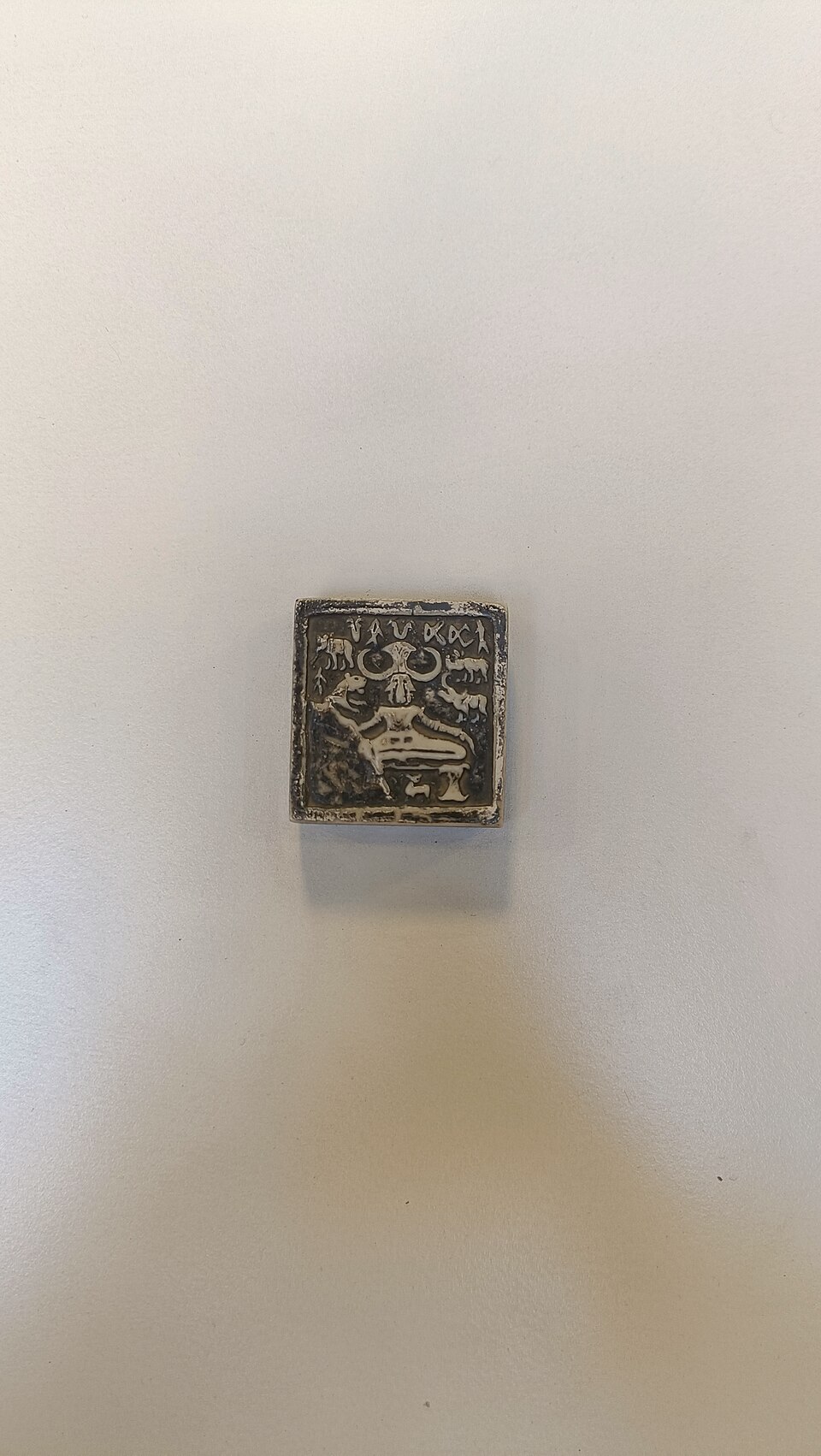
A suggestive reading, not a settled one — the sign-script above the figure still cannot be read. We report the debate, not a verdict.
Indus Valley
Mohenjo-daro
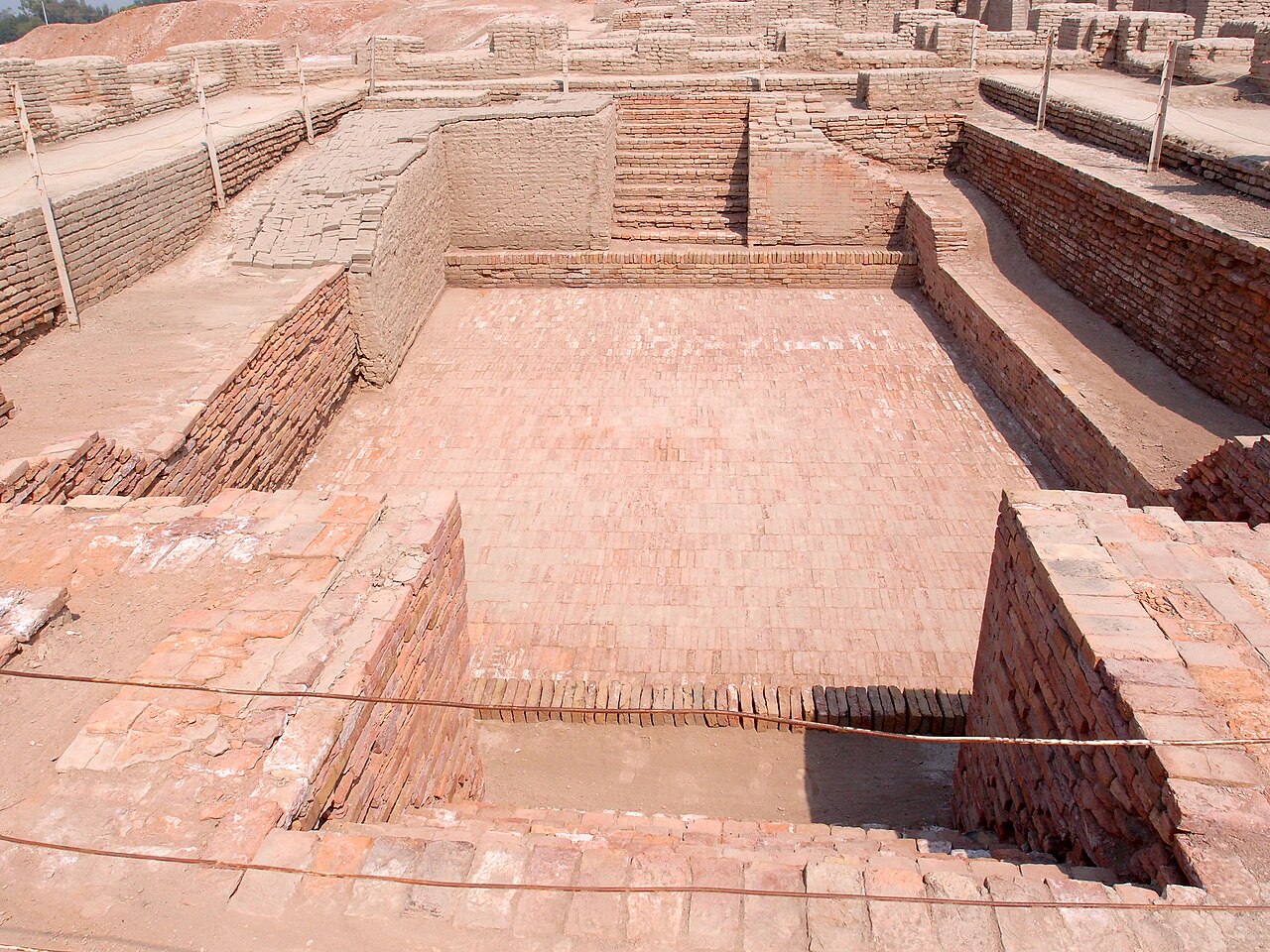
Planned drainage, standardised weights, long-distance trade — a sophisticated urban order whose ideology we cannot recover from the stones alone.
Epigraphy
Boğazköy · c. 1380 BCE
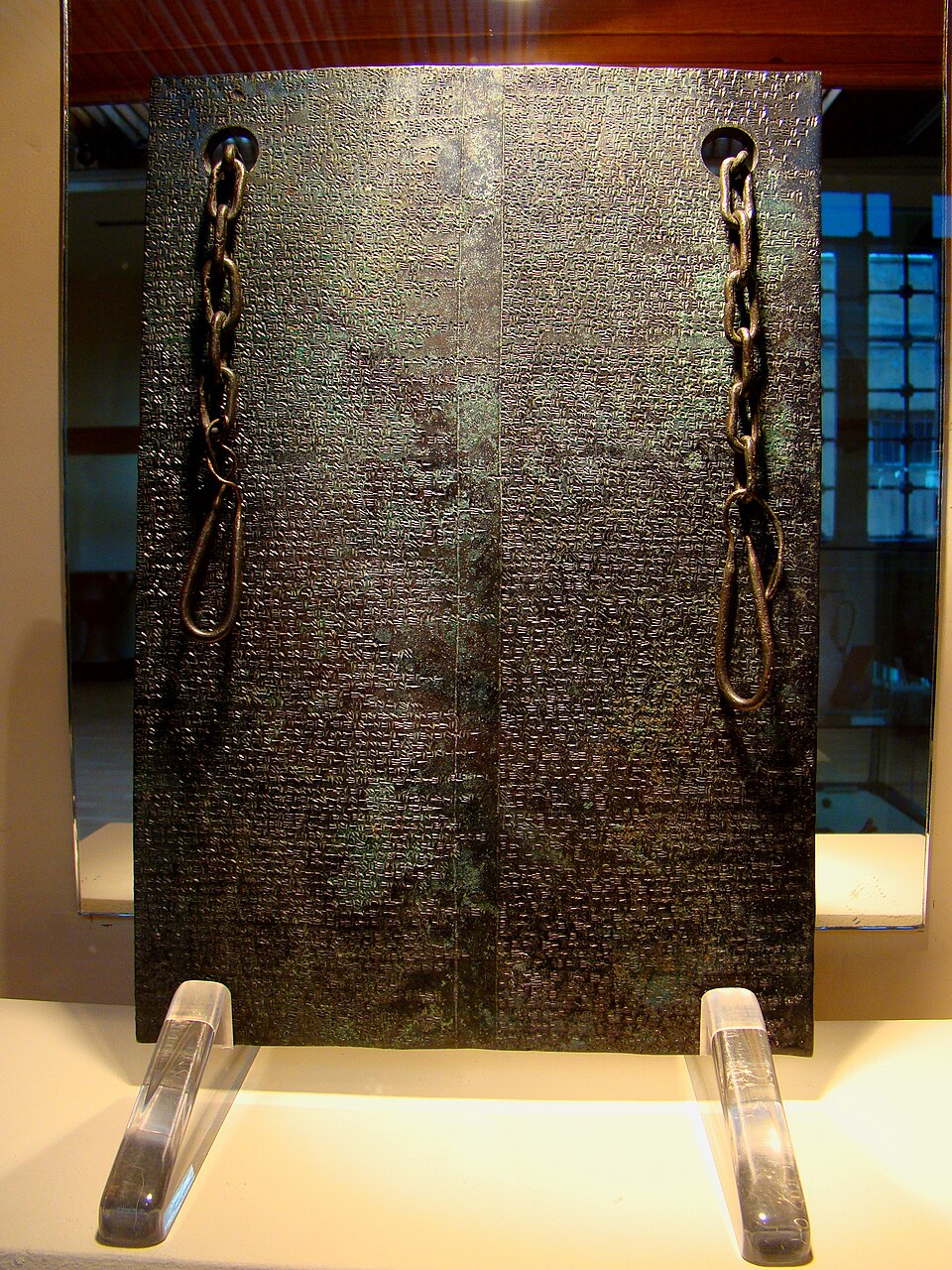
At Boğazköy, the Mitanni–Hatti treaty invoked Indo-Aryan gods in their Rigvedic order — Mitra, Varuṇa, Indra, Nāsatya. A dated, external fixed point for Indo-Aryan speech.
Genetics
Rakhigarhi · ~2500 BCE
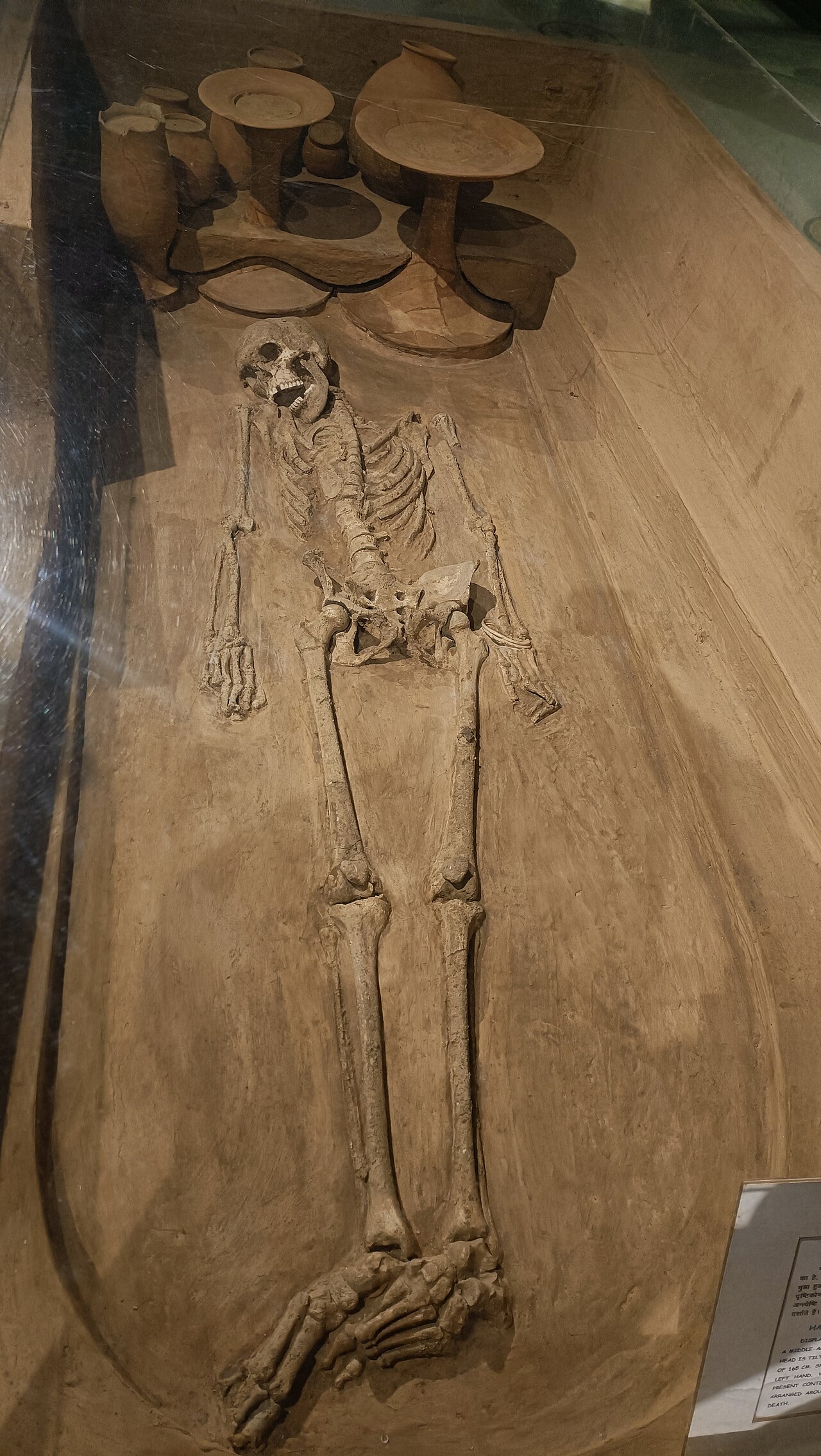
Ancient DNA from a Rakhigarhi individual shows zero steppe ancestry. Genes, language, and caste kept on three separate tracks — never one arrow.
The evidence
Three kinds of evidence sit beneath the texts: a clay treaty in Anatolia, a binary system hidden in Sanskrit metre, and ancient DNA. This is where hype lives online, so this page is built like a museum label — mono for the technical terms, plenty of space, and no drama.
Epigraphy
The Mitanni–Hatti treaty (~1380 BCE, found at Boghazköy) invokes Indo-Aryan gods in their Rigvedic order — Mitra, Varuṇa, Indra, and the Nāsatya. And Kikkuli’s horse-training manual carries Indo-Aryan numerals — aika (one), tera (three), panza (five), satta (seven), na (nine). Together they give a dated, external fixed point for the spread of Indo-Aryan speech.
Prosody
Pingala’s chandaḥśāstra encodes metre as a binary system of light and heavy syllables (laghu / guru). The yamātārājabhānasalagā mnemonic is a genuine De Bruijn sequence — every three-syllable light/heavy pattern appears once — and the kinship of Sanskrit metre with Greek and Latin metre is real evidence of common Indo-European descent.
Keep the achievement, drop the hype. The claim that “ancient India invented binary” or “invented the computer” is an overstatement — a binary encoding of metre is not a computing machine. [Debated] as popularly framed.
Genetics
The current consensus, read plainly: steppe ancestry entered South Asia around 2000–1500 BCE, correlating with the spread of Indo-Aryan languages and carrying the Y-lineage R1a-Z93. The Rakhigarhi individual from the Indus Valley Civilisation (~2500 BCE) had zero steppe ancestry. Swat Valley DNA shows steppe ancestry appearing only after ~1200 BCE.
The Out-of-India position — that Indo-Aryan languages originated in South Asia and spread outward — is a minority view among specialists. [Debated]
Every genetics claim on this page sits beside the three-track rule and the Ambedkar note, by design. For the full evidence — steppe migration, Rakhigarhi, endogamy — held carefully, see the deep-dive essay Genes, language, caste; the Method page for the stance in brief; and Record vs Rumor for the specific myth this guards against.