If caste were purely a Hindu scriptural rule, the exit would be simple: convert, and be free of it. Ambedkar himself weighed exactly this, and it is still offered as advice today. The trouble is that the record does not cooperate.
Caste followed the converts
From the nineteenth century, large numbers of Dalits converted to Christianity in “mass movements” — whole communities, often the Chuhras of Punjab, the Madigas around Ongole, the Paraiyar of the south. What they found, historians of these movements document, is that caste came with them.
[Documented] Webster’s history of the Dalit Christians records caste discrimination operating inside the churches — separate seating, separate cemeteries, resistance from higher-caste converts — severe enough that a Dalit Christian protest movement began in Kerala in the 1890s. Baptism changed the register on a form; it did not dissolve the social structure.
The same pattern holds beyond Christianity. Caste and caste-like distinctions are documented among Indian Muslims and among Sikhs (the very tradition that most explicitly rejected caste). Conversion moved people between religions; it did not lift them out of the graded order those religions were embedded in.
The Constitution knows this — and it costs converts
Here is the part almost nobody mentions, and it is written into law.
[Documented] The Constitution (Scheduled Castes) Order, 1950 restricts Scheduled Caste status by religion. As originally issued, paragraph 3 held that no person professing a religion different from Hinduism could be deemed a member of a Scheduled Caste. It was later widened to include Sikhs (1956) and Buddhists (1990) — but not Christians or Muslims.
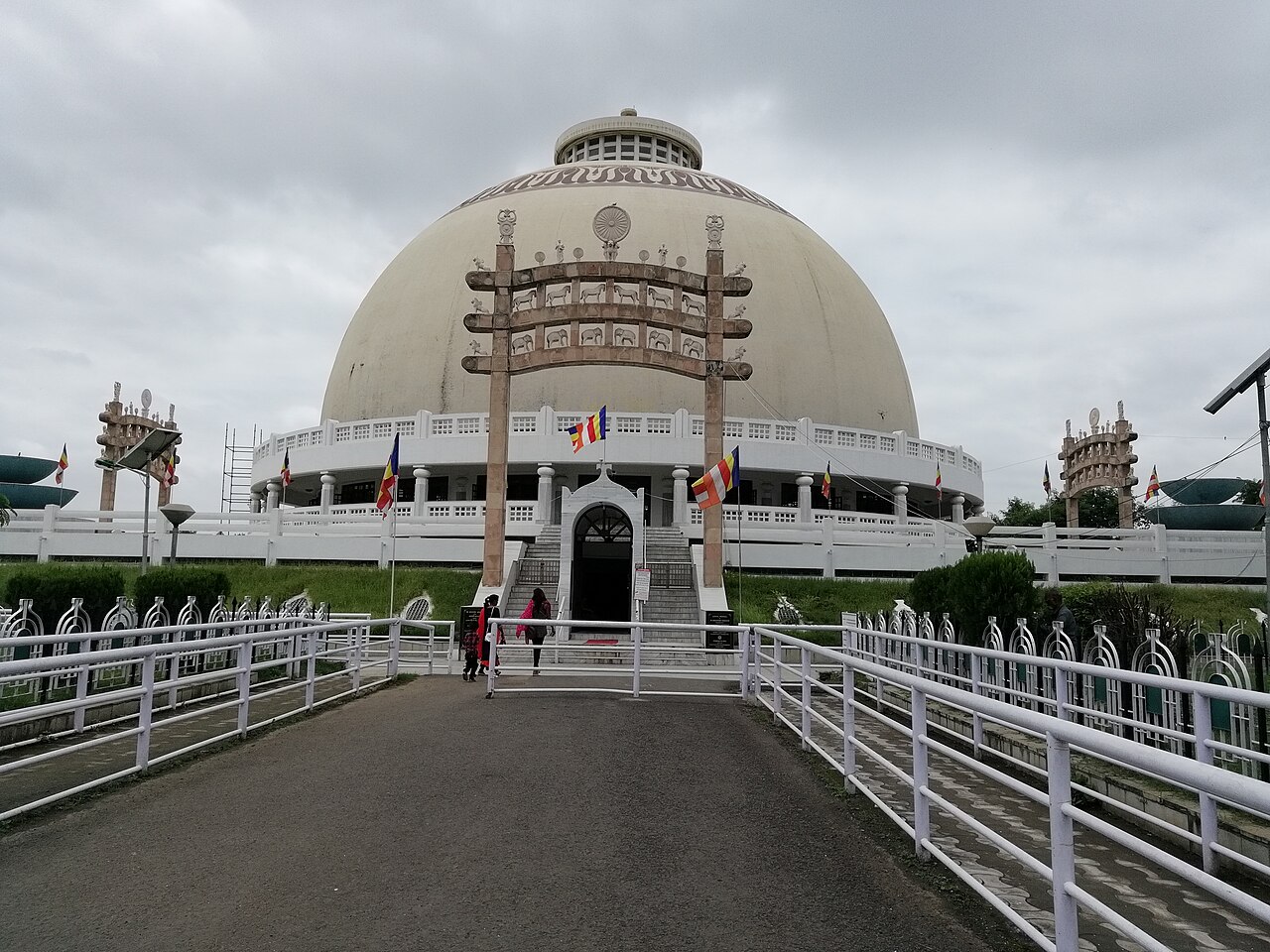
The consequence is sharp: a Dalit who converts to Christianity or Islam loses Scheduled Caste reservation — while, as studies of the mass-movement regions note, generally keeping the social stigma. A Dalit Christian gets the discrimination without the remedy. (Dalit converts to Buddhism, after 1990, keep SC status — which is part of why Ambedkar’s chosen exit was Buddhism.)
[Debated] Whether this religious bar should be removed is a live dispute. The Ranganath Misra Commission (2007) recommended de-linking SC status from religion; the matter remains unresolved in policy and the courts. Reasonable people disagree — but the bar itself is documented fact.
What it proves
Two conclusions, and they cut in different directions on purpose.
Against “just convert to escape caste”: it mostly did not work, and under current law it can make a Dalit worse off by stripping reservation. Caste is a social structure, not merely a set of Hindu verses — which is exactly why the Constitution attacks it as a civil and legal matter (Article 17, the Atrocities Act) rather than a theological one.
Against “caste is only a Hindu problem”: it plainly is not, since it persists across Christianity, Islam and Sikhism. That is uncomfortable for a purely religious account of caste — and it is true.
The honest position is the one Ambedkar reached the hard way: you cannot walk out of caste through a temple door or a church door, because caste was never only inside the temple. The new code had to meet it in the street.